
Brisbane’s apartment boom has produced thousands of strata buildings packed with the sort of amenities that genuinely lift a property’s value — rooftop pools, fully kitted gyms, BBQ courts, podium gardens. The trouble starts when those facilities stop looking the way they did in the marketing brochure. Pool surrounds get grimy, gym mirrors smudge, BBQ grates congeal, and very quickly residents start asking the obvious question: whose job is it to clean this?
In Queensland, the owners corporation (or body corporate) plays a key role in ensuring these common areas remain clean and inviting. Professional strata cleaning services are often engaged to support this effort, ensuring shared spaces remain hygienic, presentable, and compliant with health standards. This article breaks down exactly who is responsible for cleaning recreational facilities in a Queensland strata building, where the legal grey zones sit (especially around exclusive use), and what a sensible strata cleaning schedule looks like for a Brisbane property.
What Counts as Common Property in a Queensland Strata Building?
Before anyone can answer the responsibility question, you need to understand the line the Body Corporate and Community Management Act 1997 (BCCM Act 1997) draws between common property and individual lots, because almost every recreational facility sits firmly on the common property side.
Queensland community titles scheme (strata scheme), your individual lot is bounded by the internal surfaces of your unit walls, floors, and ceilings. Everything outside that — the corridors, lifts, gardens, pool, gym, BBQ area, rooftop terrace — is common property. Common property typically includes shared areas such as driveways, gardens, roofs, pipes, cables, external walls, and boundary walls, which are used by all residents and are generally maintained by the owners corporation as part of the common property. The exact boundaries are recorded in your strata scheme’s community management statement (CMS) and registered strata plan, which committee members should treat as the source of truth for any boundary dispute.
The body corporate (also known as the owners corporation in other states), which is the legal entity made up of all lot owners collectively, owns and is responsible for that common property. Understanding the distinction between private and common property is essential for clarifying cleaning needs and maintenance responsibilities. If you sit on the committee, you act on behalf of that entity.
Individual owners should refer to their registered strata plan and by-laws for specific details on maintenance obligations for their building, including the responsibilities for private and common property.
The Body Corporate’s Responsibility for Recreational Facilities
Here’s the core answer: the body corporate (also known as the owners corporation) is responsible for strata cleaning and maintenance of recreational common property. This group is responsible for strata obligations under the law, and they set and organise cleaning tasks and processes for all shared facilities. Not residents, not the strata manager, not individual lot owners (with one important exception we’ll come to).
That duty extends to cleanliness, and meeting it requires regular maintenance across all shared recreational areas. Some facilities — particularly pools, saunas, and high-traffic gym floors — demand frequent attention given Brisbane’s heat and humidity. A pool deck slick with algae, a gym floor matted with sweat, or a BBQ area that’s never wiped down isn’t just a service failure; it’s a maintenance issue the body corporate is legally on the hook for. Keeping these spaces clean isn’t optional — it’s how you ensure common areas remain safe, legally compliant, and fit for use by every resident in the scheme.
The Administrative Fund pays for routine cleaning of recreational areas. This fund covers the day-to-day operational costs of running the scheme — including cleaning, gardening, and minor repairs or maintenance such as replacing a broken pool gate latch or patching a small section of gym flooring. Think of it as the fund that keeps the building running smoothly from week to week.
The capital works fund (sometimes called the Sinking Fund) serves a different purpose entirely. It is reserved for major repairs and long-term maintenance — work like resurfacing a pool deck, replacing gym equipment, or overhauling a rooftop terrace structure. Strata levies are set by the owners corporation to fund both accounts, and the owners corporation must maintain a 10-year capital works plan to forecast when those larger expenses are likely to fall due.
The body corporate committee, a group of owners elected by lot owners, sets cleaning standards, organises the cleaning, and provides details and specifications for cleaning tasks—almost always by engaging professional cleaners specialising in strata cleaning.
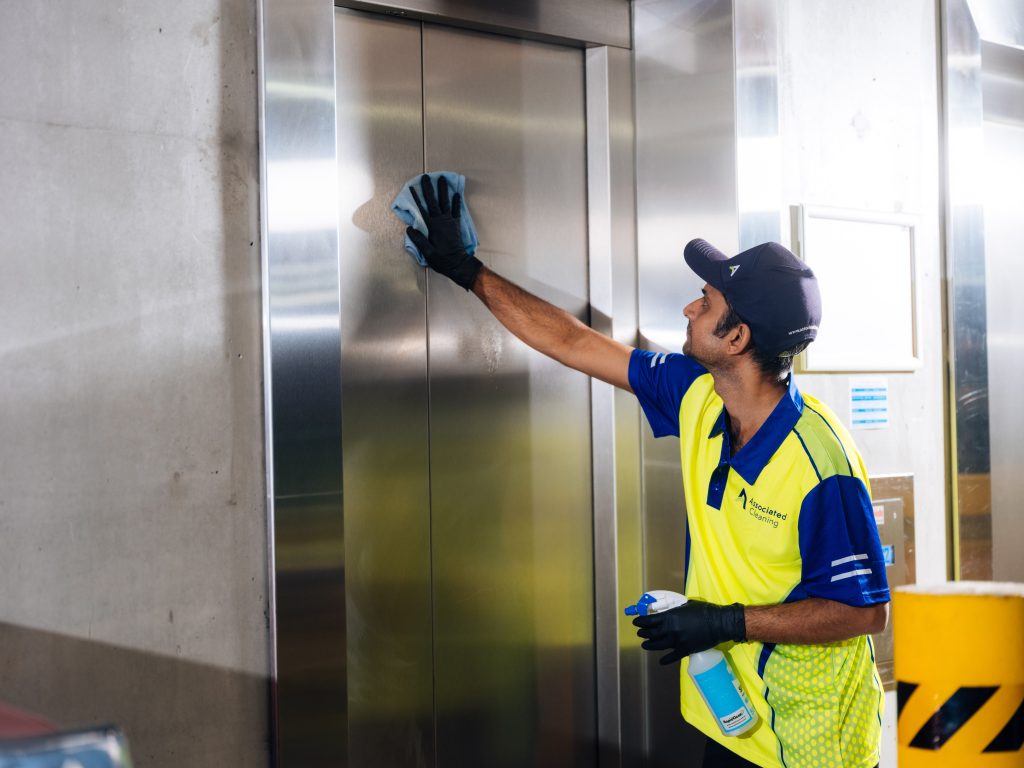
Strata management and building management play key roles in organising and overseeing cleaning tasks, engaging contractors, and ensuring compliance with safety standards. Strata managers coordinate maintenance and cleaning services, ensure the process is followed, and help manage the money collected through strata levies. Building managers or caretakers may perform day-to-day operations in larger strata communities, including inspecting facilities, quality controls and supervising cleaning.
For emergency repairs to common property that pose a serious and imminent threat to health or safety, the owners corporation must provide written notice of levies to be paid with at least 14 days’ notice, as part of the process for urgent works.
A common point of confusion worth flagging: the strata manager is not legally responsible. They act on the committee’s instruction. The legal obligation sits with the body corporate, exercised through the committee.
What About Exclusive Use Areas?
This is where things get genuinely murky, and where a lot of body corporate disputes start.
Some recreational areas are designated as “exclusive use” common property. They remain common property in legal terms, but a specific lot holds the exclusive right to use them. A rooftop terrace attached to a penthouse, or a courtyard BBQ space attached to a ground-floor unit, are typical examples. The circumstances of exclusive use areas can affect who is responsible for cleaning and maintenance, depending on what is outlined in the by-laws and whether the area is considered fixed property.
In Queensland, where a by-law grants exclusive use, the lot owner generally takes on responsibility for the routine cleaning and upkeep of that area, unless the by-law specifically says otherwise. Major repairs and structural maintenance, however, remain the body corporate’s responsibility. It is important to review what is considered common property and what is fixed property under your scheme’s by-laws, as this directly clarifies who is responsible for cleaning, repairs, and routine maintenance.
In practice this creates real grey zones. If a courtyard BBQ is exclusive use, who pays to deep-clean the grates and benches versus repair the built-in structure underneath? The answer depends on the wording of the by-law in your CMS and the specific circumstances. If your strata committee is unsure, have the CMS reviewed by your body corporate manager before committing the scheme to ongoing cleaning costs you might not actually be liable for. The committee may need to decide on responsibilities and obtain approved resolutions for certain cleaning or repair obligations. Cleaning responsibilities can also vary based on by-laws, including for external windows or balconies. Tenants are generally responsible for cleaning their individual units and the area immediately outside their front door, while the owners corporation handles common property carpets and boundary walls.
Which Recreational Facilities Are Body Corporate Responsible For?
For most Brisbane apartment buildings, the body corporate carries cleaning responsibility for the following common-property amenities, which are essential extensions of residents’ living spaces and contribute to a positive environment:
Swimming pools and pool surrounds. Pool water treatment is usually a separate contract with a pool specialist. Pool decks, change rooms, outdoor furniture, glass balustrades, windows (especially external and common property windows), and signage fall under standard cleaning. Maintaining cleanliness in these high-traffic areas is crucial for preventing slip-and-fall hazards and ensuring safety compliance, supporting residents’ health and well-being.
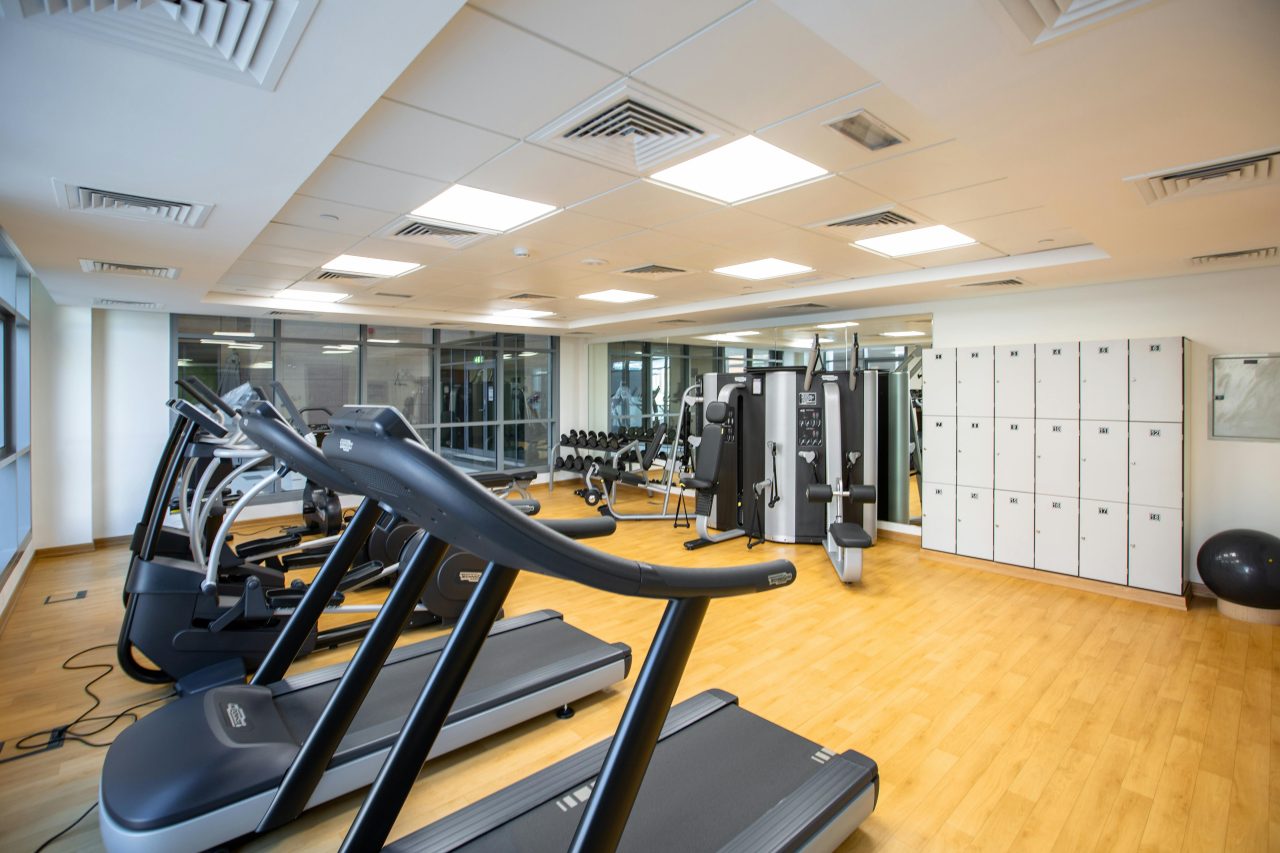
Gymnasium and fitness areas. Equipment disinfection, mirror and glass cleaning, floor mopping, and ventilation grilles. Hygiene matters here. Shared sweat is a fast track to resident complaints, and regular cleaning helps prevent health issues by reducing bacteria and mould, fostering a healthier living environment.
BBQ and outdoor entertaining areas. Grates, benchtops, sinks, flooring, and bin areas. Waste management, including rubbish collection and waste removal services, is vital for keeping these outdoor areas clean and functional. By-laws typically require residents to wipe down after use, but engaging professional services for a weekly clean is the practical standard for keeping these areas in good condition. Regular care for gardens and outdoor areas—such as lawn mowing, hedge trimming, weeding, and irrigation checks—ensures these communal spaces remain attractive and enjoyable for all.
Games rooms and multipurpose rooms. Floors, soft furnishings, surfaces, and high-touch points like remotes and door handles. These shared facilities are part of the communal living environment and require consistent cleaning to maintain a pleasant atmosphere.
Saunas and steam rooms. These need specialist hygiene protocols. Bacterial and fungal growth in warm, damp environments is a real liability exposure if neglected, impacting both health and the overall environment.
Rooftop terraces and podium decks. Outdoor furniture, deck surfaces, drains, planter areas, and windows. Brisbane’s storm season makes drain maintenance non-negotiable, and ongoing care for these outdoor areas is essential for both safety and the quality of communal living.
Car parks and shared driveways. These high-traffic common property areas require regular sweeping, line marking inspection, and waste removal. Neglected car parks create safety hazards and can affect insurance coverage if an incident is linked to poor maintenance. Including car park maintenance in your routine cleaning schedule is considered best practice for most strata properties.
How Often Should Recreational Facilities Be Cleaned in a Strata Building?
There’s no single answer. Frequency depends on the size of the scheme, the number of lots, how heavily the facilities are used, and (genuinely important in Queensland) the climate. Brisbane’s heat and humidity accelerate bacterial growth around pools, change rooms, and sauna areas in a way you simply don’t see in cooler southern cities.
To keep recreational facilities in top condition, regular maintenance is essential. A practical schedule for a mid-sized Brisbane apartment building usually looks something like this:
Daily or post-use: BBQ wipe-downs by residents (per by-law), litter sweeps of pool surrounds, bin checks. Fire exits and access requirements should also be checked daily to ensure legal compliance.
Weekly: Full cleaning of recreational floors, gym equipment disinfection, glass and mirror cleaning, pool deck wash, bin removal. Window cleaning of common property glass should be included in weekly or fortnightly schedules depending on exposure.
Monthly to quarterly: Deep clean of gym matting and equipment, pressure washing of outdoor terraces, steam clean of pool change areas, sauna hygiene treatment. Regular inspections of external walls, boundary walls, and internal walls adjacent to common areas should be carried out at least quarterly to identify moisture or mould risks early.
Annually: The body corporate committee should table a full review of the cleaning program at the annual general meeting, comparing actual performance against the scope of works and adjusting levies into the Administrative Fund if needed.
A reputable provider of professional strata cleaning services will work with your committee and build a written specification tailored to your building, covering what gets cleaned, how often, with what products, and to what standard. These cleaning tasks are designed as part of a regular maintenance process to ensure all shared spaces remain in top condition. If a strata cleaning quote comes back as a flat number with no scope of works attached, ask for the detail. You can’t measure performance against a number; you can measure it against a specification.
What Can Residents Do If Shared Facilities Aren’t Being Kept Clean?
If you’re a lot owner or tenant and the recreational facilities in your strata building are declining, it’s likely a cleaning issue—and property owners have clear options to address it.
Start with a written request to the strata committee outlining the specific issues, and consider contacting the secretary to report cleaning complaints. Email is fine. Most committees respond at this stage, especially if they realise the current cleaning contractor isn’t performing. It is crucial to document your complaints and follow proper procedures to avoid disputes or misunderstandings.
If the committee fails to act, submit a motion to the next general meeting requesting that a proper strata cleaning program be established or the existing one reviewed. Where disputes escalate — say, the committee refuses to address a genuine maintenance failure — you can refer the matter to the Queensland Body Corporate and Community Management Commissioner’s Office for resolution.
There’s also a liability angle worth flagging. Cleanliness directly affects safety compliance, insurance conditions, and resident satisfaction. If a resident slips on a poorly maintained pool deck, or contracts a skin infection from a neglected sauna, the body corporate’s failure to maintain becomes a real legal exposure. Most committees would prefer to invest in a proper cleaning program supported by professional cleaning services than defend that scenario.
The Bottom Line
In a Queensland strata building, the body corporate is responsible for cleaning recreational common property. The committee is responsible for setting cleaning standards and schedules, ensuring that cleaning meets the needs of the community. Levies into the Administrative Fund pay for it, the committee organises it, and a professional cleaning contractor almost always delivers it. The exception is exclusive use areas, where responsibility usually shifts to the lot owner with the use right, but only as far as the by-laws say it does.
Well-maintained strata properties benefit from higher property values, lower vacancy rates, and improved resident satisfaction — all of which are directly tied to the quality and consistency of your professional cleaning provider.
A clear, well-set cleaning program helps avoid losing a cent of your bond or incurring unnecessary expenses, ensuring all parties know their responsibilities and costs are managed efficiently. If your committee is reviewing its current cleaning arrangement, or setting one up for the first time, Associated Cleaning has been working with Brisbane strata buildings for over 55 years. We can help your body corporate design a recreational facilities cleaning program that matches your building’s amenities, usage, and climate, without overcharging for cleans you don’t need.
Act today to ensure your building’s facilities are properly maintained. To talk it through, call our team on 1300 943 227 or get in touch through associatedcleaning.com.au.