
Walk into a Brisbane apartment building on a Monday morning and you can tell within about ten seconds whether the body corporate has its act together. The lobby either smells faintly of fresh floor polish or faintly of last night’s bin run. The lift buttons are either wiped down or smudged from the weekend. From the moment someone enters, their perception is shaped by the cleanliness and maintenance of these common spaces. These small signals in shared areas shape what residents think of their home, what visitors think of the building, and what prospective buyers are willing to pay to live there.
After more than 55 years cleaning strata properties across Australia, I can tell you with confidence that common area cleaning is rarely just about appearances. The importance of cleanliness and first impressions in strata living is paramount. It sits at the intersection of legal compliance, property value, resident health, and community culture — and it’s one of the most underestimated line items in any strata budget. Proper cleaning practices also showcase a commitment to high standards and regulatory compliance, presenting the property as well-managed and trustworthy.
Clean common areas strengthen trust in the body corporate and motivate residents to take pride in their home.
Here’s what committee members and strata managers in Brisbane need to understand about why it matters, and what “done properly” actually looks like.
What Counts as a Common Area in Strata?
Before we talk about obligations, it’s worth being clear on scope, because many committee members underestimate how much territory falls under their care. Under the Body Corporate and Community Management (BCCM) Act 1997, common property is the portion of the scheme jointly owned and maintained by the body corporate — and in a typical Brisbane residential scheme, there are high chances that shared spaces such as lobbies, foyers, and amenities are classified as common areas based on their usage and characteristics.
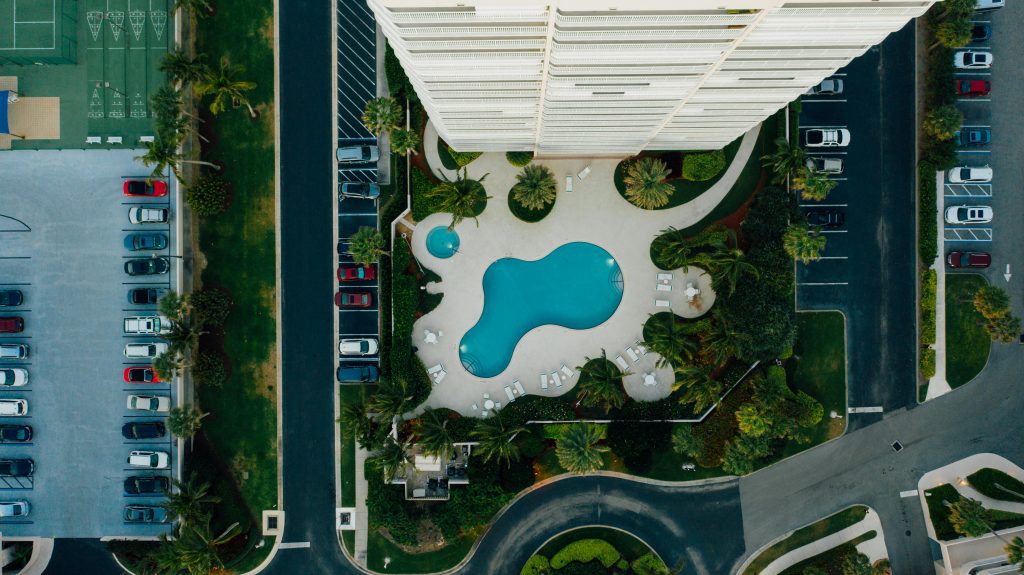
Think lobbies and foyers, internal corridors, stairwells, lifts, basement and visitor car parks, bin rooms (in the waste management category), laundry facilities (in the utility category), mail and parcel areas, pools, gyms, communal BBQ zones, rooftop terraces, and landscaped gardens. Every one of these spaces is part of how residents and visitors judge the building as a whole. Common areas in strata living are high-traffic areas that require specialized, routine care to prevent dirt, germs, and damage.
A pristine foyer doesn’t compensate for a bin room that smells at twenty paces — people form an impression of the entire scheme from its weakest link, making the maintenance of strata common areas especially important.
What Queensland Bodies Corporate Are Legally Required to Do
This is the part most off-the-shelf strata cleaning content gets wrong, because it usually references New South Wales legislation. In Queensland, your starting point is the BCCM Act 1997, which places a clear obligation on the body corporate to maintain common property in good and serviceable repair. That obligation extends well beyond structural repairs — cleanliness and hygiene are part of keeping a space “serviceable.” Regulations require that strata properties adhere to specific legal standards for cleanliness and maintenance, ensuring safety and compliance.
More recently, the Body Corporate and Community Management and Other Legislation Amendment Act 2023, which commenced on 1 May 2024, tightened things further, introducing stronger resident protections, new smoking restrictions in common areas, and updated committee obligations. Owners corporations also have a legal obligation under the Strata Schemes Management Act 2015 (NSW) to maintain common property. The body corporate is responsible for the upkeep, cleaning, and maintenance of shared areas to ensure safety, compliance, and property value. These cleaning obligations are a core part of property management, which encompasses maintaining and enhancing the physical condition and appeal of strata buildings.
On top of that, bodies corporate must maintain a capital works fund underpinned by a ten-year maintenance plan, and cleaning regimes sit quietly inside that financial picture. The body corporate collects strata maintenance fees from lot owners to cover routine maintenance, urgent repairs, and long-term upkeep. If common areas are neglected and a resident is injured or lodges a formal complaint, committees can end up in adjudication — not a place anyone volunteers to be. Regular maintenance ensures compliance with local health and safety regulations. None of this needs to feel threatening; it’s simply the reality of the role. Knowing the rules makes it easier to budget and schedule with confidence rather than react after something goes wrong, as is often discussed in the context of property management.
Why Every Owner Has a Financial Stake in the Building’s Common Areas
Buyers and renters make up their minds about a unit before they’ve even seen it. They form impressions in the car park, the lobby, and the lift. In a market like Brisbane’s — where unit supply has grown substantially and presentation is a genuine differentiator — a well-kept common area protects the desirability, and therefore the market value, of every lot in the scheme. Well-maintained common areas also build trust in the body corporate, reassuring residents and owners about the quality and reliability of property management. Poorly maintained buildings attract lower-quality tenants, longer vacancies, and softer sale prices. Consistent professional cleaning isn’t an operating expense so much as an investment in each owner’s asset, and it tends to stabilise levies over time because fewer emergency cleans and special resolutions are needed to chase problems that were allowed to build up. Professional strata cleaning enhances the overall appeal of properties, making them more attractive to potential tenants and buyers.
How Health, Hygiene, and Brisbane’s Climate Change Things
Brisbane’s subtropical climate is its own variable. Warm, humid summers and the city’s habit of dumping heavy rainfall in short bursts create ideal conditions for mould, mildew, and algae on exterior walkways, render, and bin enclosures. In high-traffic areas like lifts, stairwells, and underground car parks, dirt can quickly accumulate, negatively impacting hygiene, safety, and ongoing property maintenance. Enclosed high-traffic spaces like lifts, stairwells, and underground car parks trap allergens and pollutants. Strata cleaning helps improve air freshness in shared areas by reducing dust and pollutants. High-touch surfaces — lift buttons, handrails, intercoms, mailboxes — become transmission points for illness if cleaning is irregular. Pools, gyms, and shared BBQs bring their own hygiene obligations, and maintaining cleanliness in these areas directly contributes to the comfort and well-being of all residents. A generic fortnightly mop-through doesn’t address any of this with the precision each surface type needs. Professional strata cleaners use industry-standard equipment and eco-friendly cleaning products to eliminate dust and allergens effectively, which is why results-focused cleaning schedules in Brisbane look quite different from ones designed for Melbourne or Adelaide. Routine cleaning of common areas improves indoor air quality by reducing dust, grime, mould spores, and allergens.
The Safety and Liability Consequences of Neglect
Wet lobby tiles after a summer downpour, a cluttered fire stairwell, a slick ramp in an underground car park — these are the quiet situations where accidents happen and liability follows. Emergency cleans following severe weather incidents restore property safety and aesthetics. Because the body corporate owns the duty of care over common property, a foreseeable hazard that wasn’t addressed can expose the committee significantly.
The practical upside of engaging a professional cleaner is that they act as a second set of eyes: flagging water ingress, worn nosing on stairs, loose fittings, or early signs of mould long before those issues become claims or capital works. Fire safety checks, including inspections of smoke alarms, fire extinguishers, and emergency lights, are regularly conducted in common areas. Regular inspections of shared amenities like gyms and BBQ areas are necessary to ensure safety and functionality. Professional strata cleaners are trained to handle the unique cleaning requirements of shared spaces in strata properties. Routine cleaning helps prevent mould, bacteria buildup, and pest infestations that can affect residents’ health. Regular cleaning prevents grime, water damage, and wear from piling up, which is cheaper than fixing major damage later. Consistent cleaning prevents the accumulation of grime that can wear down building facades, carpets, and flooring. Regular professional cleaning also prevents long-term deterioration of flooring, carpets, walls, and fixtures. Properly documented cleaning reports also provide a paper trail of due diligence that supports insurance claims and demonstrates the committee met its obligations.
How Clean Common Areas Change How People Do Community
Let’s explore how clean common areas impact community behavior. There’s a behavioural dimension that committees sometimes overlook. People treat spaces the way those spaces appear to be treated. A spotless entry quietly signals that management cares, and residents reciprocate — less littering, fewer trolleys abandoned in lifts, gentler use of shared amenities. A well-kept environment fosters a sense of unity and pride among residents.
A practical guide for committees and residents can help clarify roles and outline best practices for maintaining these shared spaces. Committees that invest in consistent upkeep field fewer complaints, see longer average tenancies, and generally spend less time mediating disputes about presentation. Professional strata cleaning also helps reduce the spread of illnesses and allergens among residents, promoting overall well-being. It’s a soft benefit, but a measurable one.
Best Practices for Cleaning and Maintenance in Strata
A great strata property doesn’t just happen by chance—it’s the result of ongoing commitment from owners, committee members, and professional strata cleaning services working together. Prioritising regular cleaning and maintenance in shared areas like lobbies, gyms, and shared bathrooms is essential for promoting the health, safety, and well-being of everyone who lives in or visits the building.
Investing in quality cleaning services is more than just ticking a box for compliance; it’s about showcasing the property’s appeal and attractiveness every day. Clean, well-lit lobbies and spotless gyms create a welcoming first impression for visitors and potential buyers, while hygienic shared bathrooms and lounges help prevent the spread of germs and contribute to a comfortable, safe environment for residents.
Best practice starts with a clear cleaning schedule tailored to the unique needs of your strata property. Committee members should work closely with experienced professionals to ensure all high-traffic areas receive thorough cleaning and regular attention. This includes not only visible spaces but also less obvious areas like stairwells, foyers, and shared amenities. By taking care of these spaces, you’re investing in the long-term success and reputation of your building.
Encouraging a culture of responsibility among residents is equally important. When people see that common areas are consistently well-maintained, they’re more likely to take pride in their surroundings and do their part to keep them clean. This shared commitment helps foster a sense of community and makes strata living more enjoyable for everyone.
Ultimately, the best results come from a partnership between the committee, residents, and trusted strata cleaning services. By setting high standards and following through with regular, professional maintenance, you not only protect the health and safety of your community but also enhance the overall quality of life and value of your strata property.
What to Look for in a Professional Strata Cleaning Partner in Brisbane
Strata management involves a wide range of responsibilities beyond just cleaning, including maintaining property standards, ensuring compliance, and enhancing resident satisfaction. Not every commercial cleaner understands strata. Multi-resident buildings need sensitivity around scheduling, noise, and access — early mornings, late evenings, or weekends are often the only windows that don’t disrupt residents.
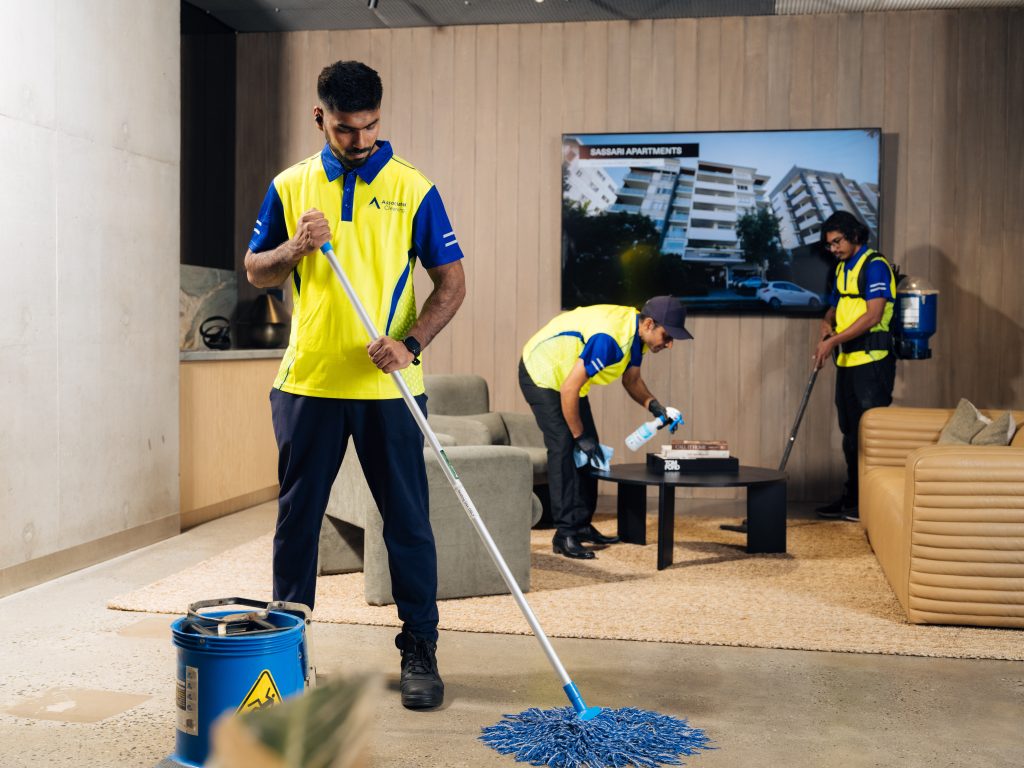
Choosing a professional cleaning partner makes property upkeep easy, thanks to flexible scheduling and comprehensive services tailored to strata needs. Look for a partner with genuine strata experience across high-rise towers, luxury apartment complexes, and townhouse developments; compliance documentation suitable for AGM records; full public liability insurance; eco-friendly products (because children, pets, and elderly residents share these spaces); and a named account contact rather than a call centre. Outsourcing strata cleaning tasks to professionals allows property managers to focus on core responsibilities without being burdened by cleaning-related issues.
Associated Cleaning brings 55+ years of experience and more than 500 sites nationally to that brief, and our Brisbane teams are built specifically around the rhythms of local strata schemes. Professional strata cleaning services also help maintain compliance with local health and safety regulations, providing peace of mind during inspections.
Frequently Asked Questions
Q: How often should common areas in a Brisbane strata building be cleaned? Routine cleaning is essential—regular schedules help maintain hygiene and appearance. It depends on traffic and amenity mix, but a typical mid-sized residential scheme benefits from at least weekly service for lobbies, lifts, and stairwells, with bin rooms and high-touch points addressed more frequently. Strata cleaning ensures entry points remain clean and sanitary throughout the day. Regular strata cleaning also prevents dust, debris, and hygiene issues from building up in corridors. Buildings with pools, gyms, or heavy foot traffic usually need two to three visits a week. Regular inspections of shared amenities are necessary to ensure they remain safe and fully functional.
Q: Is the body corporate legally required to hire a professional cleaner? The BCCM Act doesn’t mandate professional cleaners specifically — it requires common property to be kept in good, serviceable condition. In practice, most committees find professional services the only realistic way to meet that standard consistently and document it.
Q: Can’t we just ask residents or a handy committee member to handle cleaning? You can, but it rarely ends well. DIY arrangements lack insurance cover, documentation, and the specialist products needed for Brisbane’s humidity-driven mould and algae issues — and goodwill tends to evaporate once the novelty wears off.
Q: How do cleaning costs affect our levies? Counter-intuitively, regular professional cleaning usually stabilises levies because it prevents the reactive emergency work and special levies that come with neglect.
Q: Where can we find resources or best practices for strata cleaning and maintenance? A comprehensive guide can help strata managers, owners, and tenants understand roles, responsibilities, and maintenance requirements for common areas.
The Bottom Line
Regular professional common area cleaning is one of the highest-return decisions a strata committee can make. It protects you legally under the BCCM Act, it protects every owner’s property value, it protects resident health in a climate that punishes inattention, and it quietly protects the community culture that makes a building a good place to live. Building components such as roofs, hallways, lobbies, and shared facilities all benefit from regular cleaning and maintenance.
Regular cleaning also minimizes the spread of germs, pests, and mould in shared spaces, creating a healthier environment for everyone. Additionally, regular maintenance of common areas can enhance local ecosystems by managing pests and reducing waste buildup.
If your committee is reviewing its current arrangements, or you’d like a straightforward walk-through of what a tailored Brisbane strata cleaning program could look like for your scheme, the team at Associated Cleaning would be glad to have a conversation — no pressure, just practical advice from people who’ve been doing this for more than half a century. You can learn more or request a quote at associatedcleaning.com.au/strata-cleaning.